NFTs in Gaming: Beyond Digital Collectibles
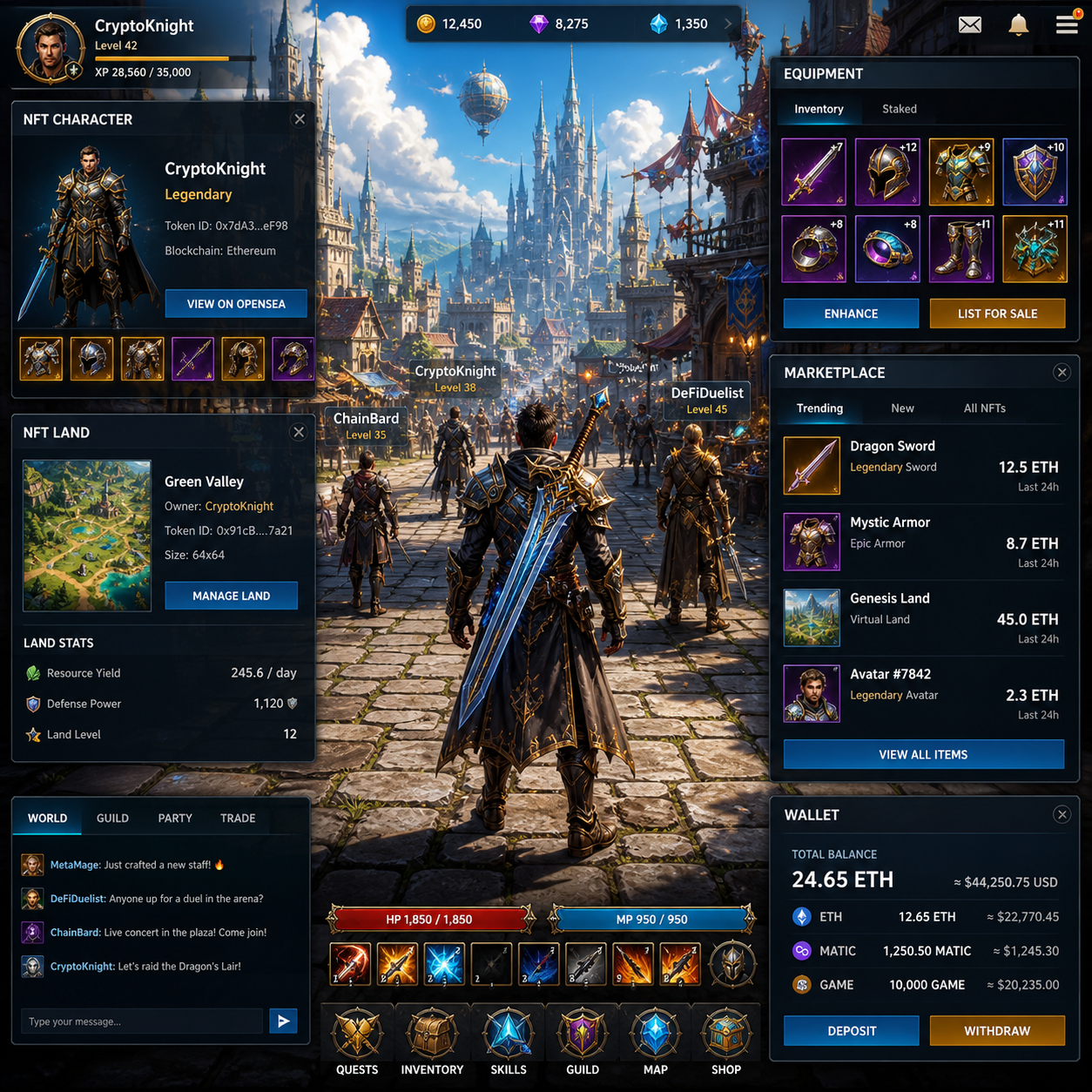
NFTs in gaming are evolving from collectible images into functional digital assets that can shape gameplay, ownership, rewards, and community participation. In a well-designed blockchain game, a non-fungible token may represent a character, weapon, plot of land, membership, crafting resource, or access right that players can use and sometimes trade.
This shift raises a more useful question than whether gaming NFTs are valuable: what can the asset do inside a healthy game ecosystem? The answer depends on game design, wallet security, token economics, and whether players enjoy the experience without relying on speculative price increases.
Why NFTs Matter in Modern Gaming
Gaming NFTs provide verifiable digital ownership by recording an asset on a blockchain rather than keeping it solely inside a publisher’s database. This can give players clearer control over transferable in-game assets, although ownership remains subject to the game’s rules and ongoing development.
Traditional in-game items usually function as licensed access. A player may spend money on a skin or weapon, but the publisher controls the database, transfer rules, and availability. An NFT can create a publicly verifiable record showing which cryptocurrency wallet holds a specific asset and when it changed hands.
That distinction can support several forms of player agency:
- Transferability: players may sell, gift, or trade eligible assets through NFT marketplaces.
- Persistence: an asset can remain in a wallet even if a player stops using one account, provided the game’s systems continue to recognize it.
- Scarcity: token supply, creation rules, or limited releases can make the number of items verifiable.
- Provenance: blockchain records can show an item’s origin, ownership history, and transaction history.
However, an NFT does not automatically guarantee permanent access, gameplay power, or legal ownership of the underlying artwork. A token may point to metadata hosted elsewhere, and a game can change how an asset works. Players should therefore distinguish between owning a token and owning an unconditional right to use every associated feature.
From Collectibles to Gameplay Utility
NFT gameplay utility means that a token performs a useful function in the game, such as representing a playable character, equipment, land, access pass, upgrade, or crafting resource. Utility gives an NFT a reason to exist beyond display value, but usefulness must be balanced so that ownership does not make gameplay unfair.
Characters and equipment
An NFT character might have a visual identity, class, skill set, or progression history. Equipment NFTs can include weapons, armor, vehicles, tools, or cosmetic modifications. Some games allow players to upgrade, combine, rent, or customize these items, creating a relationship between blockchain ownership and in-game progression.
The strongest designs avoid making expensive assets mandatory. A rare sword that offers a different play style may be healthier than one that simply defeats inexpensive equipment. Otherwise, the game risks becoming a pay-to-win marketplace rather than an engaging competitive experience.
Land, access, and membership
Virtual land NFTs can represent building plots, resource zones, social spaces, or locations for player-created experiences. Other tokens can act as event tickets, guild memberships, tournament passes, governance badges, or access keys to exclusive content.
These use cases broaden the meaning of an in-game asset. The token may grant participation rather than power. That matters for free-to-play and play-and-earn models, where players can enjoy core gameplay without purchasing expensive assets while optional ownership adds customization, status, or economic participation.
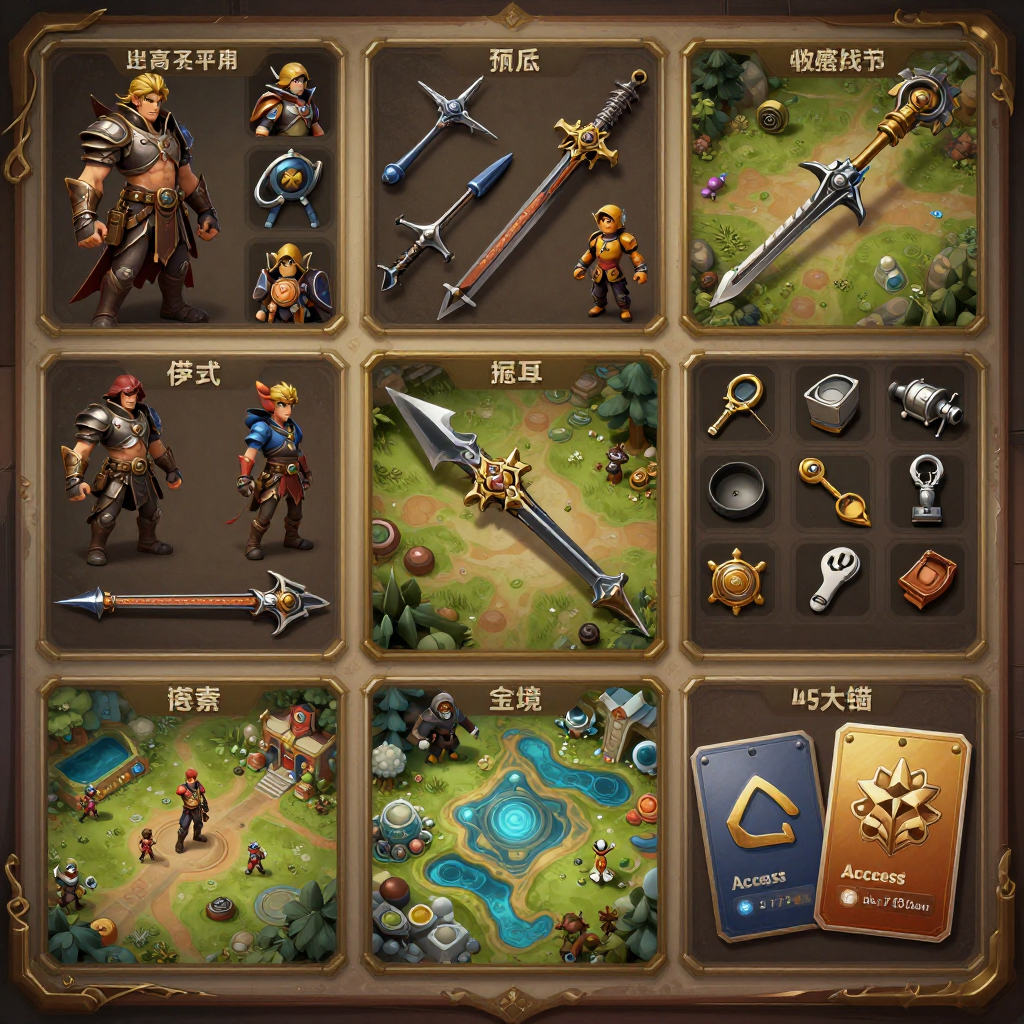
How NFTs Support Play-to-Earn and Play-and-Earn Models
Play-to-earn NFT games reward players with tokens or tradable assets for activities such as winning matches, completing quests, crafting items, or contributing to a virtual economy. Play-and-earn models place gameplay first and treat rewards as an optional result rather than a guaranteed income stream.
A typical blockchain game economy may connect four activities:
- A player completes gameplay tasks or contributes skill, time, or creativity.
- The game issues cryptocurrency, resources, or NFT items according to its reward rules.
- The player uses those rewards, sells them, trades them, or upgrades an existing asset.
- Other players create demand by using the assets for gameplay, customization, access, or social participation.
This system only works when demand comes from real game activity. If rewards depend mainly on new players buying tokens or assets, the economy can become fragile. Token prices may fall, emissions may outpace demand, and a once-profitable activity may no longer cover transaction costs or time spent.
Players should also account for gas fees, marketplace commissions, taxes where applicable, wallet management, and price volatility. Rewards are not risk-free passive income. A game can change its token supply, rebalance rewards, restrict transfers, or lose its active community.
The practical test is simple: would players still enjoy the core loop if token rewards disappeared for a month? If the answer is no, the project may be relying on speculation more than game design.
Player-Owned Economies and NFT Marketplaces
Player-owned economies allow users to trade, use, craft, and sometimes create assets through NFT marketplaces and token economies. Marketplaces connect players, developers, creators, guilds, and collectors, but they also introduce fees, liquidity risks, fraud, and price manipulation.
A marketplace may support primary sales from a game developer or secondary trading between players. Listing prices, bidding systems, royalties, transaction fees, and blockchain network costs all affect the final value of an item. A token listed for $20 may produce a much smaller return after fees and conversion costs.
Scarcity is another important design choice. Developers can create fixed supplies, controlled emissions, burn mechanisms, or crafting systems that change supply over time. Scarcity alone does not create lasting demand. An item remains useful only when players want to use it, display it, collect it, or access something associated with it.
Royalties can direct a portion of secondary-sale revenue to creators or developers, helping fund updates and new content. Yet royalty enforcement varies across marketplaces and networks. Players should check the actual fee structure rather than assuming every resale automatically supports the original creator.
Before trading, verify the collection address, official marketplace, token network, and asset metadata. Fake listings and phishing links often imitate legitimate projects. A cryptocurrency wallet should be treated like a bank account: protect the recovery phrase, review transaction permissions, and never share private keys.
Interoperability, Portability, and Community Participation
Interoperability in blockchain games means an NFT can be recognized across compatible applications, wallets, or experiences. Portability may support cross-game identity, shared access, or community membership, but it cannot make an asset useful in every game automatically.
A sword designed for one game has no practical function in another unless the second game understands its metadata, visual format, balance, and ownership rules. For that reason, interoperability is more realistic when developers agree on specific standards and purposes.
Possible forms include:
- A character avatar that appears in several social spaces.
- A membership NFT that unlocks events, forums, tournaments, or creator channels.
- A cosmetic item adapted for multiple experiences without transferring its competitive statistics.
- A wallet-based reputation or achievement record used to recognize long-term participation.
Community participation can be just as valuable as asset portability. NFT holders may vote on selected proposals, access developer discussions, join guilds, or help shape new content. Governance should still have clear limits. Token ownership does not necessarily equal expertise, and voting systems can concentrate influence among large holders.
Benefits and Challenges of NFT Gaming
NFT gaming can expand ownership and player agency, but it also adds financial, technical, and operational risks. The benefits matter only when the game delivers compelling play, transparent rules, secure infrastructure, and a sustainable community.
Potential benefits
- Players can hold verifiable records of selected in-game assets.
- Trading may create more flexible ways to acquire or exit items.
- Creators can build economies around user-generated content and digital property.
- Cross-platform identity and community access may extend beyond one game account.
- Play-and-earn systems can reward skill, contribution, or time without making speculation the central activity.
Key limitations and mistakes
- Buying before understanding utility: players may purchase an NFT because of scarcity claims, then discover that it has little gameplay use. Read the game’s documentation and test the free experience first.
- Ignoring wallet security: a leaked recovery phrase can allow irreversible asset theft. Use an official wallet, enable available security controls, and separate valuable holdings from routine gameplay transactions.
- Confusing rewards with guaranteed profit: token prices, player demand, and emissions can change quickly. Treat rewards as variable and never risk money needed for essential expenses.
- Overlooking sustainability: high transaction fees, unclear token supply, weak updates, or dependence on constant new buyers can damage an economy. Examine development history and treasury disclosures where available.
Environmental impact also depends on the blockchain network’s consensus system, transaction activity, and infrastructure. Avoid broad claims based only on the word blockchain; evaluate the specific network and its operating model.
What to Look for in an NFT Game
Choose an NFT game by evaluating gameplay first, then ownership and economics. A practical review should cover the game loop, wallet requirements, asset utility, marketplace design, token model, security practices, transparency, and long-term development plans.
A practical evaluation checklist
- Gameplay quality: play a demo or free version and assess controls, progression, matchmaking, content depth, and update frequency.
- Optional entry: determine whether the game is free-to-play, requires an NFT purchase, or offers a free-to-start route with limited features.
- Real utility: identify exactly what characters, items, land, upgrades, resources, or access NFTs do. Beware of vague promises.
- Token economy: review token supply, emission rates, sinks, rewards, unlock schedules, and what creates demand beyond speculation.
- Marketplace design: check supported networks, gas fees, royalties, withdrawal rules, listing authenticity, and whether players can trade freely.
- Security: look for clear contract information, audited components where relevant, official links, account protections, and a history of responding to incidents.
- Transparency: assess the team’s communication, roadmap, treasury information, legal terms, and willingness to explain economic changes.
- Community health: look for active players, constructive discussion, regular content, and evidence that participation does not depend only on price hype.
A useful decision rule is play, verify, then transact. Experience the game, verify official contracts and fees, and make the smallest reasonable transaction before committing more funds. This approach will not remove risk, but it limits the cost of being wrong.
Frequently Asked Questions
What are NFTs used for in gaming?
NFTs can represent playable characters, weapons, armor, land, cosmetics, crafting resources, memberships, event access, upgrades, and other in-game assets. Their usefulness depends on the game’s rules and whether the developer continues supporting the relevant features.
How do play-to-earn NFT games work?
Players complete activities and may receive cryptocurrency or tradable assets. They can use, upgrade, sell, or trade those rewards, but returns vary with game demand, token supply, fees, and market conditions.
Can gaming NFTs be traded or sold?
Many gaming NFTs can be traded on compatible NFT marketplaces if the game and blockchain permit transfers. Players should account for marketplace fees, network costs, scams, liquidity, and possible tax obligations.
Do players need cryptocurrency to play NFT games?
Some games require cryptocurrency for purchases or transaction fees, while others offer free-to-play or free-to-start access, sponsored transactions, or custodial wallets. Requirements differ, so check the official onboarding process before connecting a wallet.
Are NFTs in gaming worth it for every player?
No. NFTs may suit players who value ownership, trading, community access, or player-created economies, but traditional games can provide excellent experiences without wallets or financial risk. Choose based on enjoyment and utility rather than promised returns.
NFTs can make digital ownership more visible and give players new ways to participate in game economies. Their lasting value will depend on useful assets, fair design, secure technology, strong gameplay, and communities that remain active after the initial excitement fades.