Building Your First Metaverse Avatar With NFTs: A Beginner’s Guide
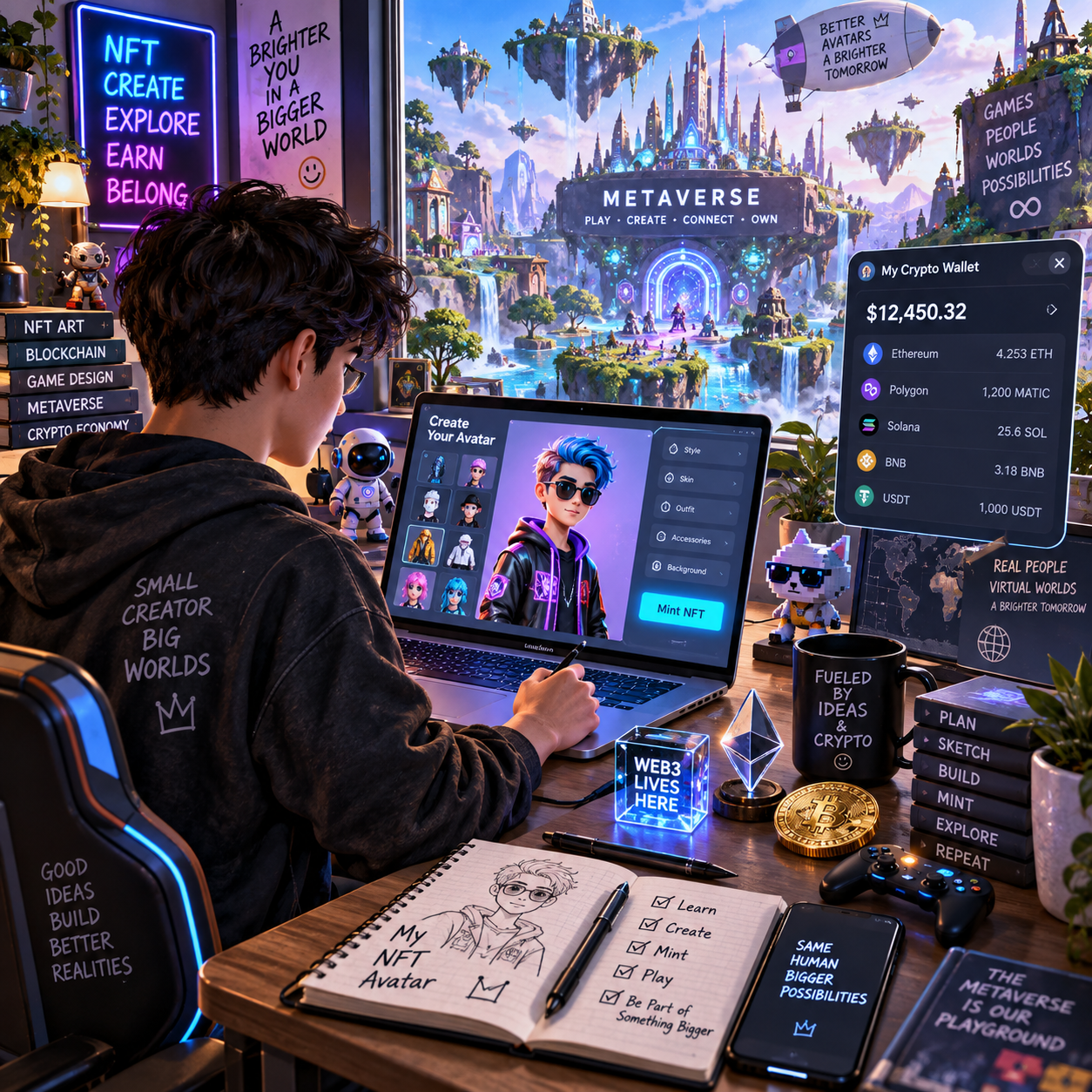
Building your first metaverse avatar with NFTs can feel technical, but the basic process is manageable. You choose a compatible virtual world, set up a crypto wallet, obtain or mint an avatar NFT, customize it, and connect it to supported experiences.
An NFT avatar may represent your digital identity, unlock access to game features, or simply act as a collectible. Its practical value depends on the specific blockchain project, marketplace, licensing terms, and game integrations. Ownership can be meaningful, but it does not automatically guarantee gameplay benefits, resale value, or earnings.
What Is an NFT Metaverse Avatar?
An NFT metaverse avatar is a blockchain-based digital character or collection of avatar assets that can represent you in a virtual world or game. It may function as a profile identity, collectible, wearable, or usable game asset.
The NFT records ownership on a blockchain, while the visual appearance and game utility usually come from the project’s software and metadata. Some avatars are complete characters with fixed traits. Others are assembled from separate NFTs, such as a body, clothing, weapon, pet, or accessory.
This distinction matters. Owning an NFT generally gives you the blockchain token and the rights defined by its license. It may not give you copyright ownership of the artwork, unrestricted commercial rights, or access to every metaverse platform. A game can also stop supporting an asset even if the NFT remains in your wallet.
Think of the avatar as a digital identity with three layers:
- Identity: the character name, appearance, profile, or community status associated with you.
- Ownership: the blockchain record showing which wallet controls the NFT.
- Utility: the experiences, quests, equipment, rooms, or privileges a particular game recognizes.
Choose the Right Metaverse or Play-to-Earn Game
Choose a metaverse or play-to-earn game by checking its avatar compatibility, gameplay purpose, blockchain network, ownership terms, and current development status before buying anything.
Start with the experience rather than the token price. Decide whether you want social exploration, competitive gameplay, collecting, quests, trading, or community events. A visually impressive avatar has limited value if the game does not support the features you want.
Use the five-part compatibility check
- Platform: Confirm whether the game runs on PC, mobile, a browser, or a virtual-reality device.
- Avatar utility: Check whether the NFT changes your appearance, unlocks areas, provides equipment, or only works as a profile collectible.
- Blockchain: Identify the network used for the NFT, such as Ethereum, Polygon, Solana, or another supported chain.
- Ownership terms: Read the project’s license, transfer rules, marketplace restrictions, and requirements for accessing game content.
- Development and community: Review recent updates, official documentation, player activity, and whether the game is live rather than merely announced.
Do not assume that an NFT is automatically interoperable. One metaverse may recognize a particular avatar collection, while another accepts only its own assets. Interoperability is a technical integration, not a feature created by the NFT standard alone.
Set Up a Crypto Wallet Safely
To set up a crypto wallet safely, choose a reputable wallet, verify the correct blockchain network, protect the recovery phrase offline, and fund only the amount you can afford to use.
A crypto wallet does not store the NFT in the same way a gallery stores an image. It stores the keys that control your blockchain address, where the NFT and cryptocurrency are recorded. Losing the recovery phrase can mean losing access permanently.
- Choose a wallet compatible with the game’s blockchain and the NFT marketplace you plan to use.
- Download it from the official website or verified app store. Avoid links sent through unsolicited messages.
- Write the recovery phrase on paper or another secure offline medium. Never paste it into a website or share it with support staff.
- Enable a strong password and, where available, hardware-wallet protection or transaction confirmations.
- Transfer a small amount of the required cryptocurrency to test the network and wallet address.
You will usually need cryptocurrency for the NFT purchase and for gas fees, which are network charges paid to process blockchain transactions. The game’s network determines the currency and fee structure. Keep a small reserve for approvals, transfers, or equipment changes instead of spending your entire balance on the avatar.
For general background on wallet security and digital assets, consult guidance from the Consumer Financial Protection Bureau. Treat every private key and recovery phrase as sensitive financial information.
Create, Mint, or Buy Your Avatar NFT
You can obtain an avatar NFT by creating a customizable character, minting a new NFT, or buying an existing asset through an NFT marketplace; each route has different costs, risks, and control.
Build an avatar from customizable assets
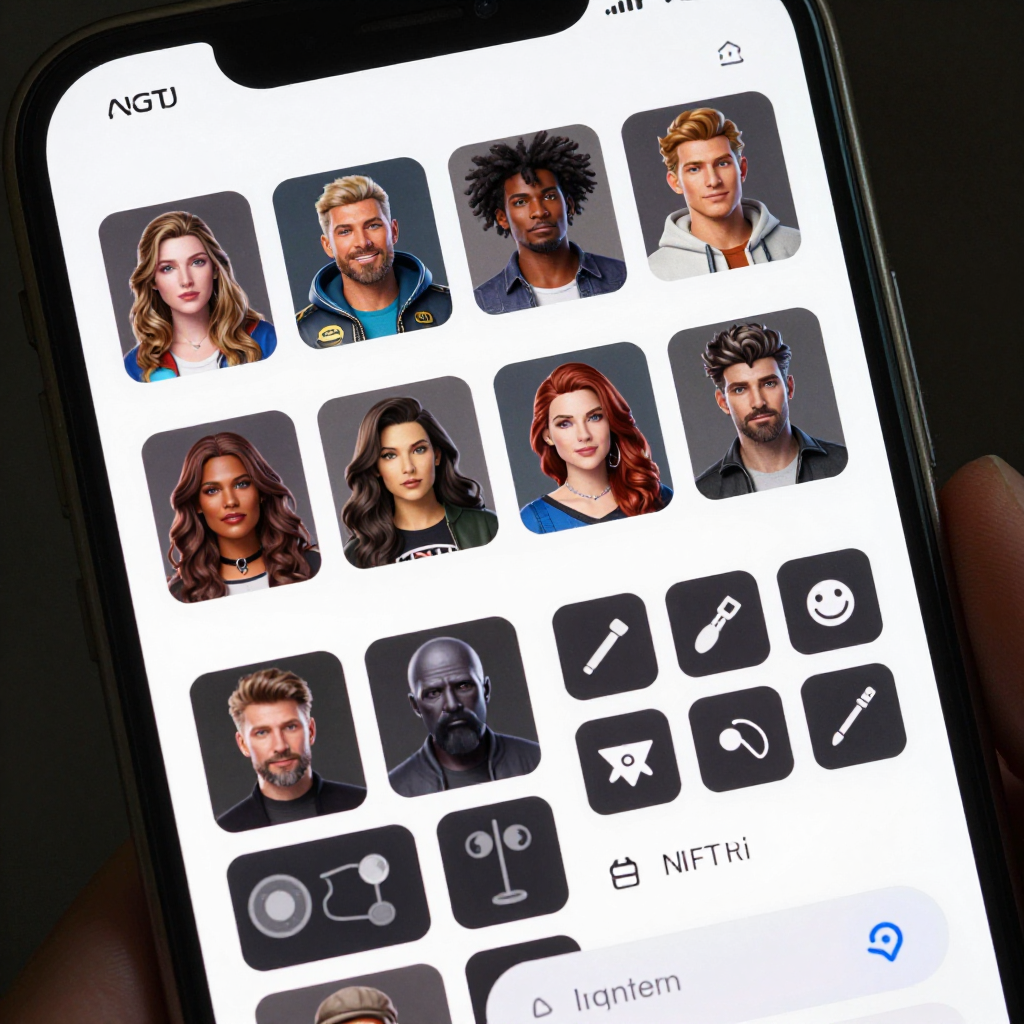
Some games let you select a body type, clothing, skin, hairstyle, accessories, and equipment before converting the design into an NFT. This route is often easiest for beginners because the game already understands the asset’s format. It may provide less rarity or resale flexibility than a separate collectible collection.
Mint an NFT
Minting means creating or recording a new NFT on a blockchain. You may mint directly through an official game website, claim an avatar during a launch, or generate one from a set of available traits. Before approving a transaction, verify the contract address, total supply, mint price, network, and whether the asset is immediately usable.
Buy from an NFT marketplace
Purchasing an existing avatar can provide access to a specific design or rare trait, but secondary-market prices may be volatile. Use the official collection page or game documentation to locate the correct NFT marketplace. Check the seller, collection verification, token ID, network, royalties, and compatibility before confirming the transaction.
In all three cases, separate the cost of acquisition from the cost of use. An avatar may be affordable to buy but expensive to transfer, equip, or upgrade because each blockchain action can require a fee.
Customize and Equip Your Avatar
Customize an NFT avatar by selecting supported traits, skins, wearables, and accessories, then confirm whether each item changes appearance, gameplay performance, or only its collectible rarity.
Common customization options include clothing, helmets, wings, pets, emotes, tools, weapons, and virtual land-linked equipment. Some assets are purely cosmetic. Others may increase access to quests, provide a character class, or meet the requirements for a specific game mode.
Rarity is not the same as usefulness. A rare skin may attract collectors without improving movement, defense, crafting, or rewards. Read the game’s current rules and test basic gameplay before paying a premium for traits described as powerful.
Interoperability also requires caution. A wearable designed for one avatar standard may appear incorrectly, lose its traits, or remain unusable in another environment. Save screenshots of your configuration and review whether equipment is consumable, transferable, locked to one character, or controlled by a rental agreement.
Use Your Avatar in the Metaverse
To use your avatar in the metaverse, connect the compatible wallet, import or select the NFT inside the game, and follow the platform’s rules for access, equipment, quests, and trading.
Use only the official game URL or application. After connecting your wallet, the platform may detect eligible NFTs automatically, or it may ask you to select an avatar from your wallet. Some games require a separate profile, character creation step, or signature request that proves wallet control without transferring funds.
Begin with low-risk activities:
- Enter the tutorial or free starting area.
- Confirm that the avatar’s appearance and traits load correctly.
- Try social hubs, exploration, crafting, or beginner quests.
- Check whether equipment affects gameplay or remains cosmetic.
- Review withdrawal, trading, and rental rules before committing valuable assets.
In a play-to-earn game, rewards might come from quests, competitions, crafting, asset trading, or community contributions. These rewards are never guaranteed. Player demand, token supply, game balance, market liquidity, and rule changes can affect results, and your time and transaction costs may exceed any reward.
Keep your gameplay wallet separate from long-term holdings when possible. A dedicated wallet limits exposure if you approve a malicious contract or visit a compromised site.
Costs, Risks, and Beginner Mistakes to Avoid
The main costs and risks include gas fees, marketplace scams, unsupported assets, volatile prices, unclear licensing, and wallet compromise; checking each transaction before approval prevents many beginner losses.
Mistake 1: Buying before checking compatibility
People often assume every NFT avatar works in every metaverse. The consequence is an expensive collectible that cannot enter the intended game. Confirm the supported collection, blockchain, token standard, and current integration first.
Mistake 2: Confusing ownership with full rights
An NFT may prove control of a token without transferring copyright, commercial rights, or permanent access to a service. Read the license and terms of use, especially if you plan to create merchandise, rent the avatar, or use it in a business.
Mistake 3: Ignoring gas fees and approvals
Beginners may budget for the avatar but forget network charges, marketplace fees, royalties, and later equipment transactions. Review the total transaction estimate and avoid approving unlimited token spending when a smaller authorization is available.
Mistake 4: Trusting unofficial links or support messages
Scammers copy collection pages, announce fake giveaways, and ask for recovery phrases. No legitimate marketplace or game representative needs your seed phrase. Bookmark official sites, verify contract addresses, and reject unexpected wallet requests.
Prices can fall to zero, servers can close, and game mechanics can change. Treat an NFT avatar as a digital entertainment purchase first. Spend only what you can afford to lose and judge it by the experience it provides rather than promised returns.
Frequently Asked Questions
Do I need cryptocurrency to create an NFT avatar?
Not always. Some games offer free avatar creation or sponsored transactions, but minting, purchasing, transferring, and equipping NFTs commonly require cryptocurrency for the asset price and gas fees.
Can I use one NFT avatar across multiple metaverse games?
Only when each game supports that collection, blockchain, file format, and avatar standard. Shared ownership does not create automatic interoperability.
What is the difference between an avatar NFT and an in-game avatar?
An avatar NFT is recorded on a blockchain and controlled through a wallet. An in-game avatar may exist only inside the game’s database and may be governed entirely by the developer.
How do I keep my NFT avatar safe?
Protect the recovery phrase offline, use official websites, separate wallets for different activities, inspect transaction requests, and avoid sharing private keys or signing unfamiliar messages.
Can an NFT avatar help me earn in a play-to-earn game?
It may unlock quests, equipment, access, or trading opportunities, but earnings are not guaranteed. Confirm the game’s reward rules, fees, market conditions, and withdrawal requirements before spending money.